A Small Makeup Bag for an Overnight Stay
A small makeup bag for an overnight stay starts with the occasion, then builds a compact edit of versatile products for the looks you are likely to wear.
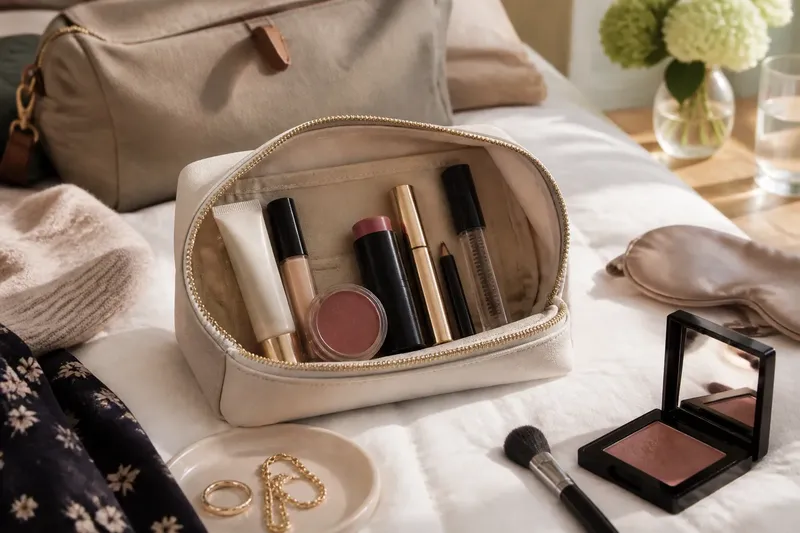
You’re closing a weekend bag after dinner plans, a night away and breakfast the next morning. Your usual makeup pouch is still on the bathroom shelf, but a smaller edit can cover the trip without packing a second version of your whole routine. A small makeup bag for an overnight stay works best when you begin with the occasions ahead, then choose products that can earn their space more than once.
Start with the occasions, not the bathroom shelf
Think through the trip as a short sequence: arrival, evening plans, sleep, morning and departure. For each part, ask what you are likely to want rather than what you might conceivably use. A dinner reservation may call for a defined eye or a lipstick you enjoy wearing; a quiet morning may need only moisturiser, concealer and a brow product.
Write down the likely looks in plain terms, such as “fresh for breakfast” and “more polished for dinner”. Then note the features that change between them: perhaps a brighter lip, a little more coverage or stronger eye definition. The shared base is your packing opportunity. If both looks begin with the same tinted moisturiser and brow gel, those can serve twice instead of bringing separate products for each occasion.
Keep the plan honest about the setting. A late arrival, a formal event or an early train changes what is useful; an imagined opportunity to try a new look does not need to dictate the bag. If the trip includes a special occasion, choose the detail that matters most to you and let the rest of the routine stay simple.
Choose a compact core with more than one job
Build the bag around the products that can move between looks without demanding a separate tool or a complicated change. A sheer base product can even out the complexion for both evening and morning. A cream blush may add colour to cheeks and, if its product directions support that use, bring a related tone to the lips. A neutral pencil can define the lash line and soften into a simple shadow effect.
Versatility does not mean every item must do everything. It means choosing a small number of products whose roles overlap sensibly. A concealer is not a substitute for every complexion product, and a lip colour may not suit cheeks; the useful question is whether each item has a plausible place in more than one of your planned looks.
Say you are leaving after work for a night at a friend’s flat, with dinner out and a casual breakfast before heading home. You expect to wear your usual light base and brow gel both days, but want a deeper lip for dinner. You might pack those two familiar products, a small cream blush that suits your cheeks and lips if its label permits, mascara, and the one lip colour that changes the evening look. The expected result is a bag that supports the two occasions without carrying a duplicate daytime and evening base.
What belongs in a small makeup bag for an overnight stay?
Should you pack a full foundation and a tinted moisturiser?
Pack both only if you expect to use them for distinct, likely purposes. If the lighter base is comfortable for both occasions, it may be enough; if you know you want fuller coverage for dinner, select the product you actually prefer rather than adding a backup out of habit.
Which makeup tools are worth taking?
Choose tools that make a product easier to use and that you cannot comfortably replace with clean fingers. A compact sponge or one small brush may be useful; a full brush roll is harder to justify for a short stay unless your planned look depends on it.
Can you decant makeup into travel containers?
Only decant products when the packaging and product are suitable for it, and use a clean, clearly identifiable container. For a single night, a familiar mini or the original compact may be more convenient than transferring a formula you rely on.
How do you avoid packing products you may not use?
Set the bag beside your written occasion plan and assign each item a likely use. If a product has no clear place in the evening, morning or departure routine, leave it at home rather than packing it for an undefined possibility.
Give each product a clear place in the routine
Once the products are chosen, arrange them by when you will use them. Put the shared base and everyday details together, then keep the evening accent easy to spot. This turns the bag into a small working kit rather than a jumble of items that all seem equally important when you are tired.
A simple sequence can help you notice duplicates before they go in:
- Shared complexion: choose one base product, plus concealer only if you expect to use it.
- Features you use both times: add the brow, lash or cheek product that fits your ordinary look.
- Evening change: select one accent, such as a stronger lip or a pencil for more definition.
- Morning refresh: include only the makeup that makes the next day feel complete to you.
- Tools and removal: add a suitable applicator and the products you need to remove makeup comfortably.
That last line matters because a small makeup bag is not the same as a complete personal-care kit. Your cleanser, moisturiser, sunscreen and other toiletries may belong in a separate wash bag. Keep makeup-removal needs in mind, but do not pack a second skin-care routine merely because the makeup is travelling.
Make the products easy to use away from home
Small formats can help, but only when they are familiar and practical. A travel-size mascara or compact blush may fit neatly; a new sample shade may be awkward if you do not know how it wears or whether you like the finish. An overnight stay is a poor moment to discover that a product is difficult to apply with the tools you brought.
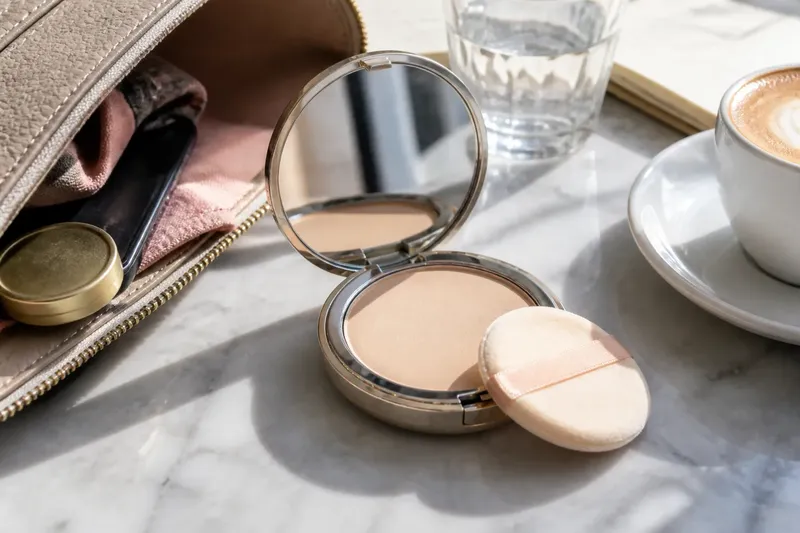
Consider packaging as part of the choice. A powder compact with a secure closure is often easier to carry than a loose powder that can spill into the bag. A twist-up pencil avoids the need for a sharpener, while a pot may call for clean fingers or a brush. Think of the bag like a small lunchbox: the contents should fit together, stay contained and be easy to reach when you need them.
Place products that could mark fabric inside a small washable pouch or a separate compartment. Check that lids close properly and that any liquid or cream is stored upright where practical. These are simple packing choices, not a reason to bring extra products; the aim is to keep the few selected items usable and contained.
Adjust the edit when the trip changes
If the evening plan becomes more formal, add one deliberate change rather than rebuilding the bag. A lipstick with a stronger finish or a single eye product may provide the difference you want. If the morning is likely to be rushed, remove products that require careful layering and keep the familiar basics accessible.
For a trip with an unpredictable schedule, keep the core fixed and make one optional choice. That might be a second lip colour or a small shadow, depending on what you enjoy using. The optional item should answer a specific possibility, not stand in for a collection of “just in case” alternatives.
When you return, notice what stayed untouched and what you reached for at both occasions. That quick review can sharpen the next packing decision: a rarely used item may not need to travel again, while a product that served two looks has earned a reliable place in your small makeup bag for an overnight stay.
Before zipping the pouch, ask one final question: does each product support a likely moment, or is it there because it lives in your home routine? That distinction keeps the edit useful. The best small bag is not the one with the fewest possible products, but the one whose contents make sense for the night you are actually going to have.